Founded in 2000 in Berlin, Germany
Official website: https://www.motogadget.com/
Instagram: https://www.instagram.com/motogadget/
Facebook: https://www.facebook.com/motogadget
Youtube: https://www.youtube.com/@motogadget
TikTok: https://www.tiktok.com/@motogadget_official
The motogadget story was started by Garrit Keller, a mechanical engineering student from Berlin. In 1999, in his garage, he set about making a speedometer for a Moto Guzzi racing sidecar: the off-the-shelf instruments of the time satisfied him neither technically nor in accuracy. Friends and the local motorcycle scene liked the first prototypes, and a year later Garrit and two partners founded motogadget and began selling hand-assembled digital instruments.
At first motogadget remained a project of enthusiasts who made electronics in small batches. The big step came in 2004 with the first production instrument, the motoscope mini. Its LED display was readable even in bright sunlight, and its aluminum housing was very compact. The instrument quickly became a must for custom builders around the world, and in less than two years the founders devoted themselves fully to the company.
The team grew, moved into spacious premises in central Berlin and expanded the range: analog speedometers and tachometers with German KBA and ABE approvals appeared. Through its own online store and distributors, motogadget reached far beyond Europe. Dealers in the USA and Japan were impressed by the precise electronics, quality materials, German engineering and recognizable design.
In the mid-2000s the custom scene was changing fast, and motogadget was at the forefront. Parts marked Made in Germany appeared in almost every article on Bike EXIF. Turn signals, speedometers, relays, switches and the legendary mo.unit, with which even a beginner can build a compact wiring harness, changed the idea of modern motorcycle accessories.
The secret of success is that motogadget doesn't follow trends but invents its own: smaller, smarter, more reliable and better looking than the competition. The parts solve problems, simplify installation and enhance the motorcycle. That is why well-known custom builders use the brand's products: Deus Ex Machina, Jens von Brauck, Walt Siegl, Roland Sands and Ritmo Sereno.

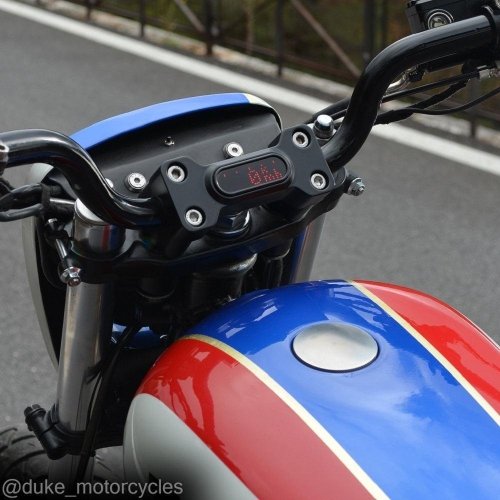
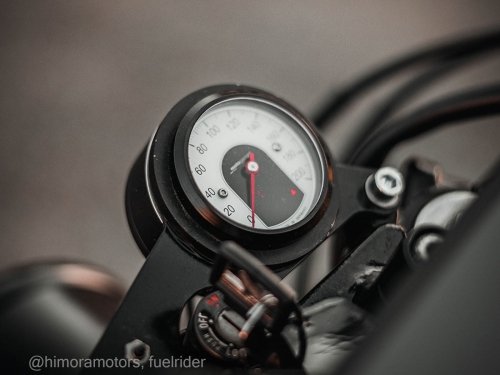
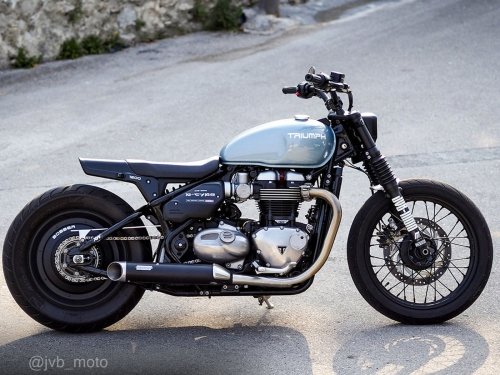
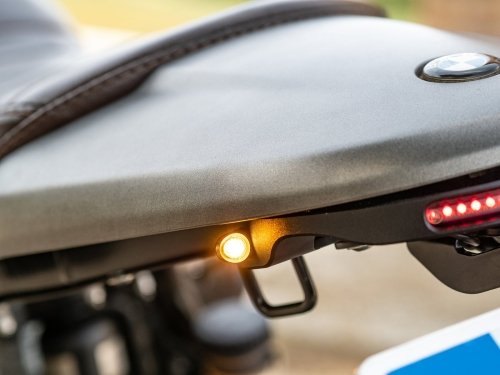
The company kept making parts smaller and adding electronics. The mo.blaze tens turn signal became one of the smallest in the world: it is just slightly bigger than a 1 cent coin. The keyless mo.lock replaces the conventional ignition key. And in 2016 the mo.ride app came out: a smartphone connects via Bluetooth to the mo.unit blue and becomes the motorcycle's digital control center.
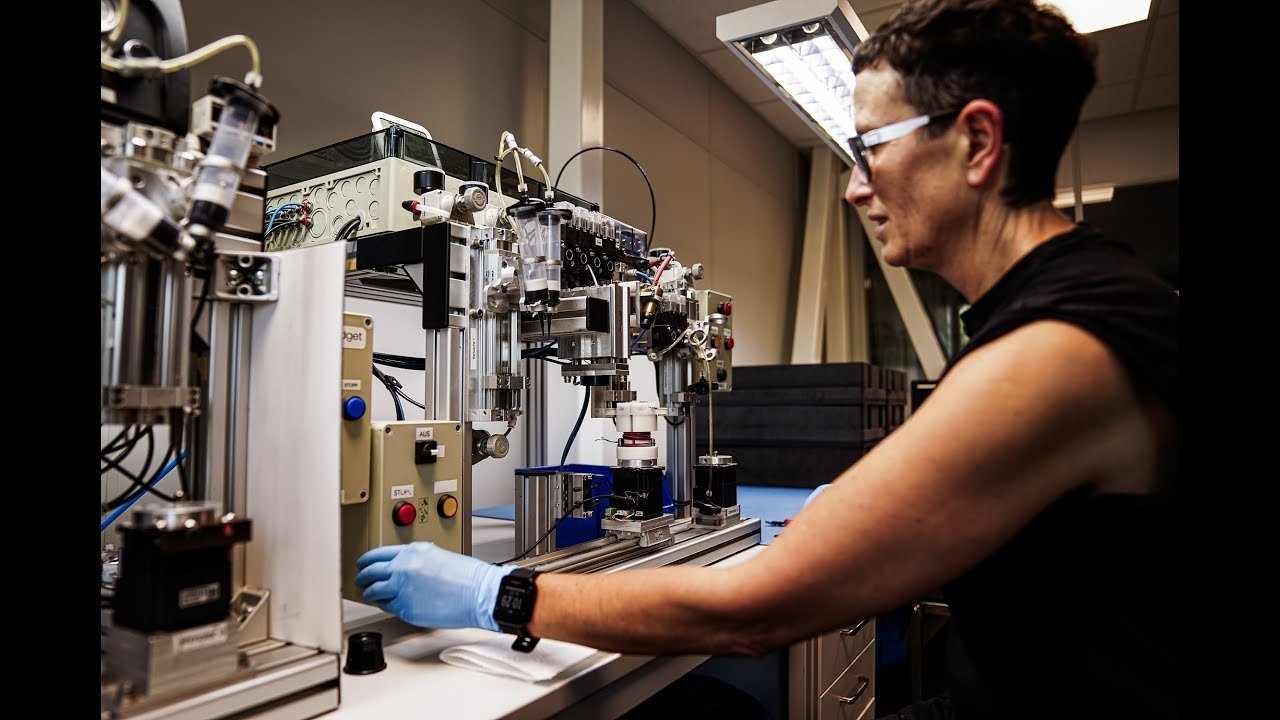
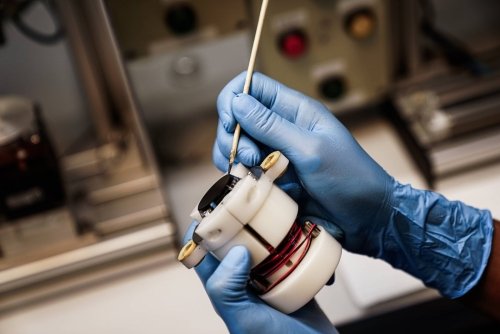
Each new product takes a lot of work. To stay independent, motogadget keeps development and production under one roof and still works without investors. In 2016 the team already had 23 specialists: they program robots, work with laser marking and assemble instruments with watchmaker precision. The company's customers include small manufacturers such as Confederate and CR&S, as well as big players like Louis.
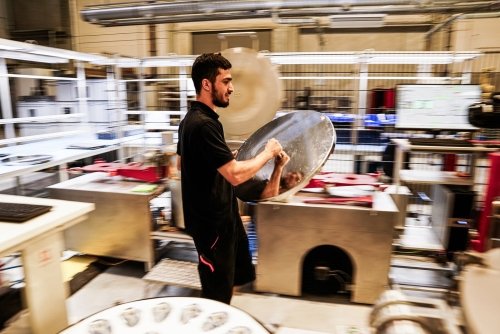
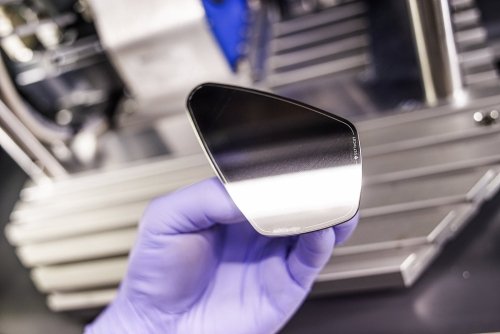
In 2018 the mo.view mirrors appeared. They have no glass: the reflective surface is made of thin, strong diamond-machined aluminum with a plasma coating. The technology was developed together with the Fraunhofer IFAM institute and protected by patents. The company received ISO 9001 certification, international design awards and ECE approval. KTM became the first production manufacturer to fit motogadget mirrors to its motorcycles.
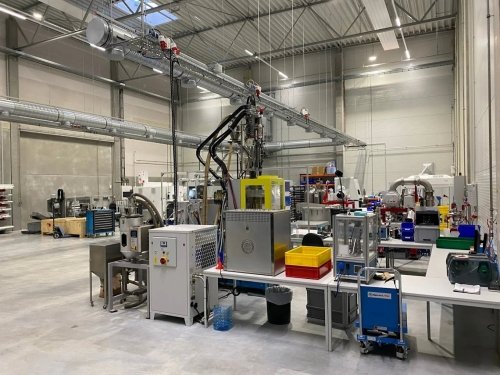
In 2021 motogadget moved into a modern 1,800 m² building on the outskirts of Berlin with plenty of room for research and production. Today the team has 25 employees and freelancers from 12 countries. The company is still run by its founder, Garrit Keller.
How motogadget production works: